Visible peeling, cracking, or bubbling paint and significant color fading are the primary signs your house needs repainting. Homeowners should also look for a chalky texture on siding or gaps in caulking; these issues indicate the current finish is no longer protecting the structure from moisture and environmental wear.
Maintaining a home in the Fillmore area requires more than just an occasional glance at your siding. The relentless Utah sun and shifting temperatures often cause subtle damage that homeowners overlook until it becomes a costly structural issue. Faded pigments or small hairline cracks are not merely aesthetic concerns; they represent a failing protective barrier that invites moisture and rot. At Gobes Painting, we believe that proactive maintenance is the primary safeguard for your property value. In this guide, we will examine the critical indicators of paint failure, specifically tailored to our unique high desert climate. You will learn how to identify early warning signs on both your exterior and interior surfaces, understand why local weather accelerates wear, and discover the financial implications of delaying your next professional project.
Recognizing Paint Failure Before It Damages Your Home
Homeowners in Fillmore often view a new coat of paint as a purely aesthetic upgrade. While a fresh color certainly boosts curb appeal, your paint’s primary job is to act as a sacrificial barrier against the elements. In our high-desert environment, this protective layer is under constant assault from intense solar radiation and fluctuating temperatures.
Identifying the early signs your house needs repainting is the difference between a routine maintenance project and an expensive repair bill. A minor scuff or a small mark on an interior hallway usually only requires a quick touch up. However, systemic paint failure occurs when the coating no longer adheres to the substrate or loses its ability to repel water. When the paint film itself breaks down, it leaves the building materials beneath it vulnerable to the environment.
In Fillmore, the elevation results in a thinner atmosphere, which translates to significantly higher UV exposure. This intensity causes paint binders to break down faster than in many other regions of the country. When the binder fails, the paint can no longer protect your siding from moisture or rot. By hiring experienced Fillmore painters to inspect your property, you can catch these issues before the underlying wood or masonry suffers permanent damage. Our residential and commercial painting services prioritize this structural integrity, ensuring that every layer applied serves as a durable shield for your investment.
Visual Signs Your Exterior Paint Is Failing
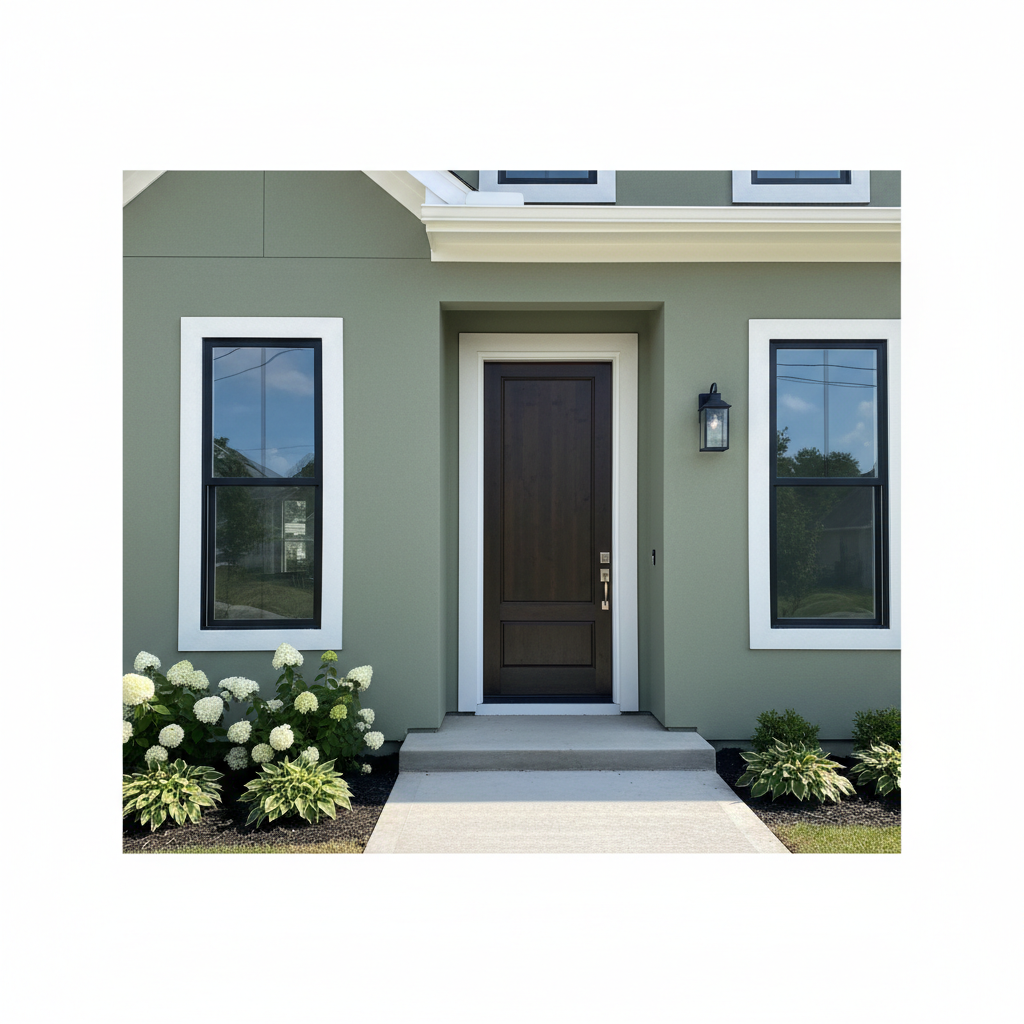
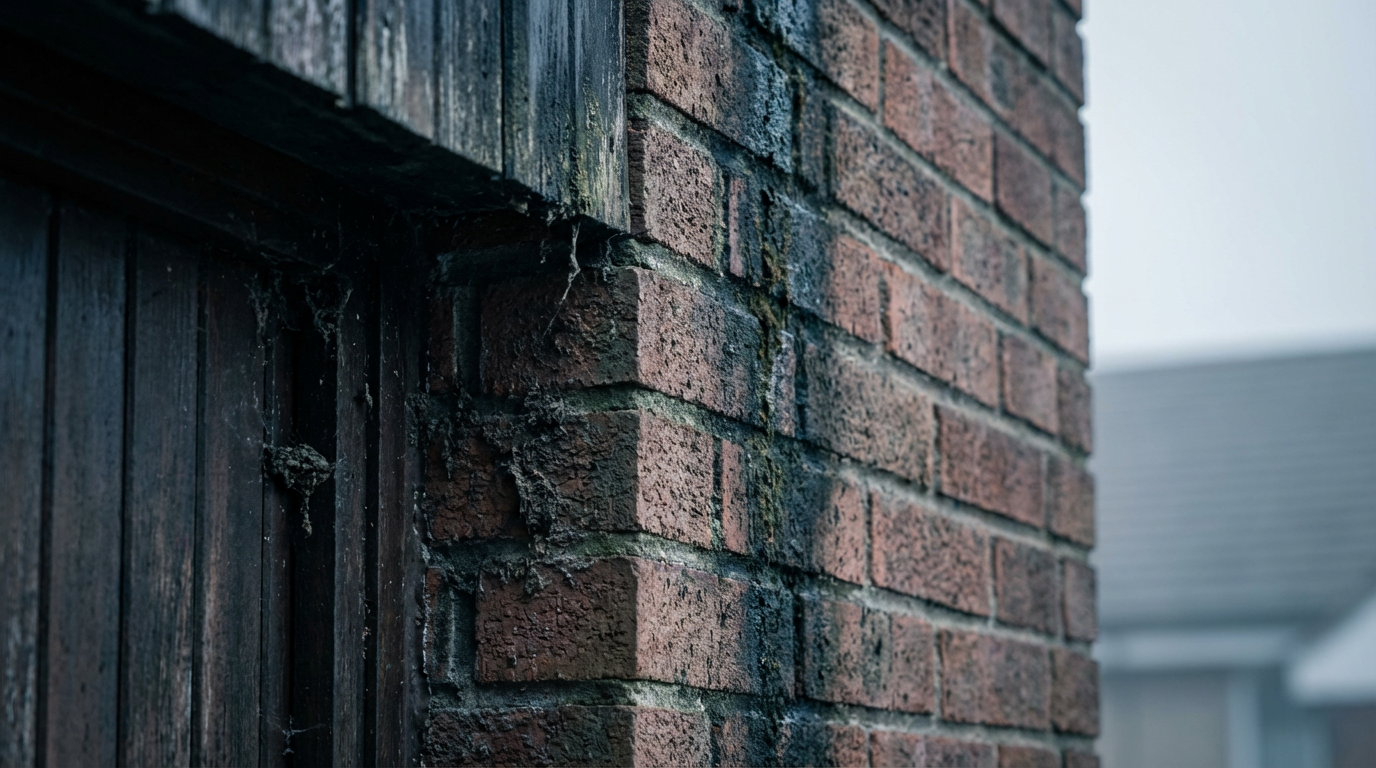
Visual failure often starts small but escalates quickly. Bubbling or blistering is frequently the first indicator that moisture is trapped behind the paint film. This usually occurs when water penetrates through a crack or from the interior of the home, forcing the paint to lift away from the substrate. If these bubbles are left unaddressed, they eventually pop and lead to peeling.
Peeling and flaking represent a total loss of adhesion. While a few small spots under two square feet might be manageable with localized scraping and priming, widespread peeling across large sections of siding suggests that the original bond has failed. In these cases, simply painting over the surface will not work; the loose layers must be removed to create a stable foundation for new residential and commercial painting services.
You can also identify failing paint before it begins to fall off using the "chalk test." Run your hand across a dry section of your siding, particularly on the sun-exposed sides of the house. If a fine, powdery residue transfers to your skin, the paint's binder has begun to oxidize and break down. This chalking means the coating is no longer a solid, waterproof layer and is instead eroding away, leaving the material underneath vulnerable to the high-desert climate.
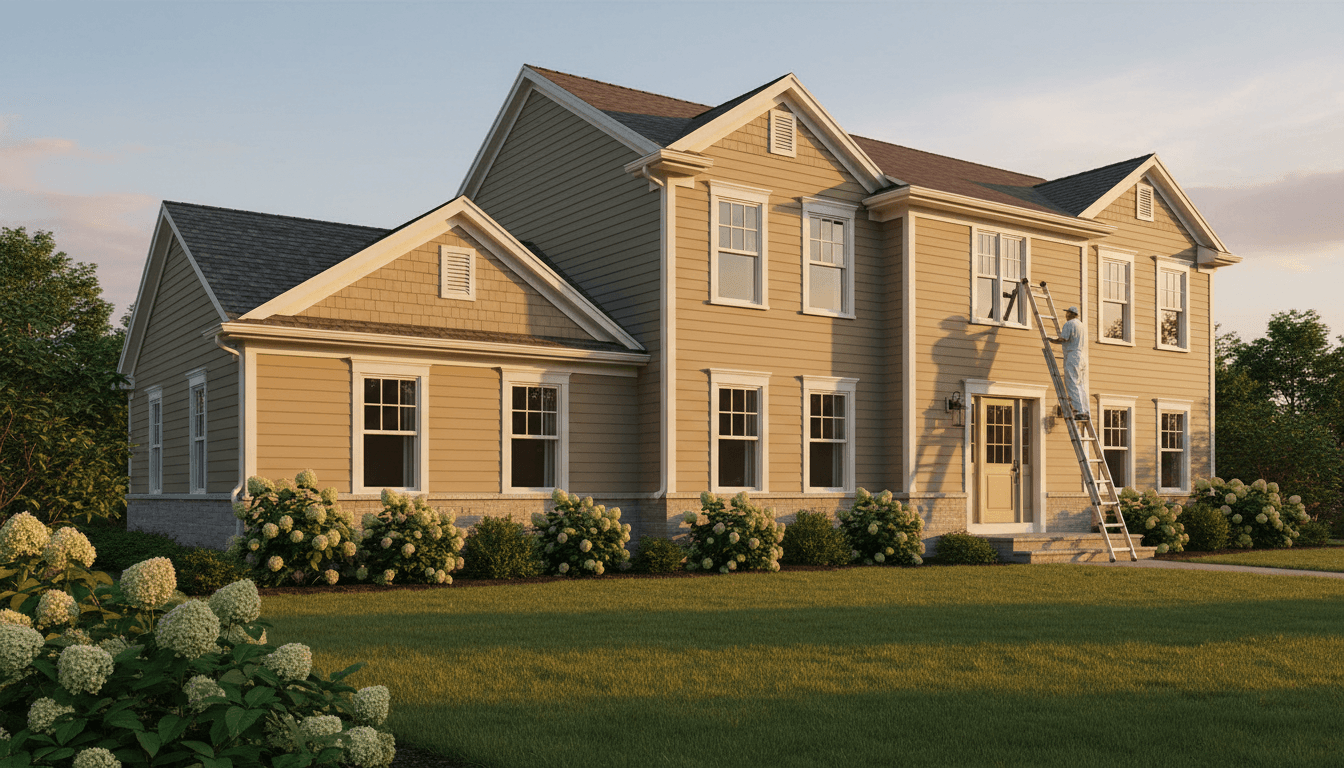
Finally, examine the transition points where siding meets windows, doors, or trim. Gaps in the caulking are a major red flag. When caulk dries out, shrinks, and pulls away, it creates pathways for moisture to seep into the wood or masonry. If you see these separations, your home’s protective envelope is compromised, and it is one of the clear signs your house needs repainting. If you notice these visual failures on your property, you should contact our team for an estimate to evaluate the condition of your exterior.
How the Utah High Desert Accelerates Paint Wear
Fillmore’s geographic location creates a uniquely harsh environment for exterior coatings. While the high desert scenery is beautiful, our elevation means the atmosphere is thinner, providing less protection against ultraviolet radiation. This intense UV exposure acts as a constant abrasive, breaking down the chemical bonds in paint much faster than in lower altitude regions. In our experience as experienced Fillmore painters, we consistently see south and west facing walls fail years before the north side of a building. These elevations bear the brunt of the afternoon sun, which bakes the finish and accelerates the chalking process mentioned previously.
Beyond the sun, the temperature fluctuations common in Millard County play a significant role in degradation. In the high desert, it is not uncommon to see a forty degree temperature swing within a single day. These rapid changes cause siding materials, especially wood and certain composites, to expand and contract. While fresh, high quality paint is flexible enough to move with the substrate, aged paint becomes brittle over time. As the house breathes through these thermal cycles, the rigid paint film begins to develop hairline cracks. These micro-fissures are the primary entry point for moisture; they eventually lead to the bubbling and peeling that define systemic failure.
We advise homeowners to inspect their south and west elevations at least twice a year. Identifying these small cracks early allows for targeted maintenance before the damage spreads to the rest of the structure. If you notice localized cracking on these sun drenched walls, it is one of the most reliable signs your house needs repainting to maintain its structural integrity. For a professional assessment of your home's exterior durability, you can contact our team for an estimate.
Interior Warning Signs You Should Not Ignore
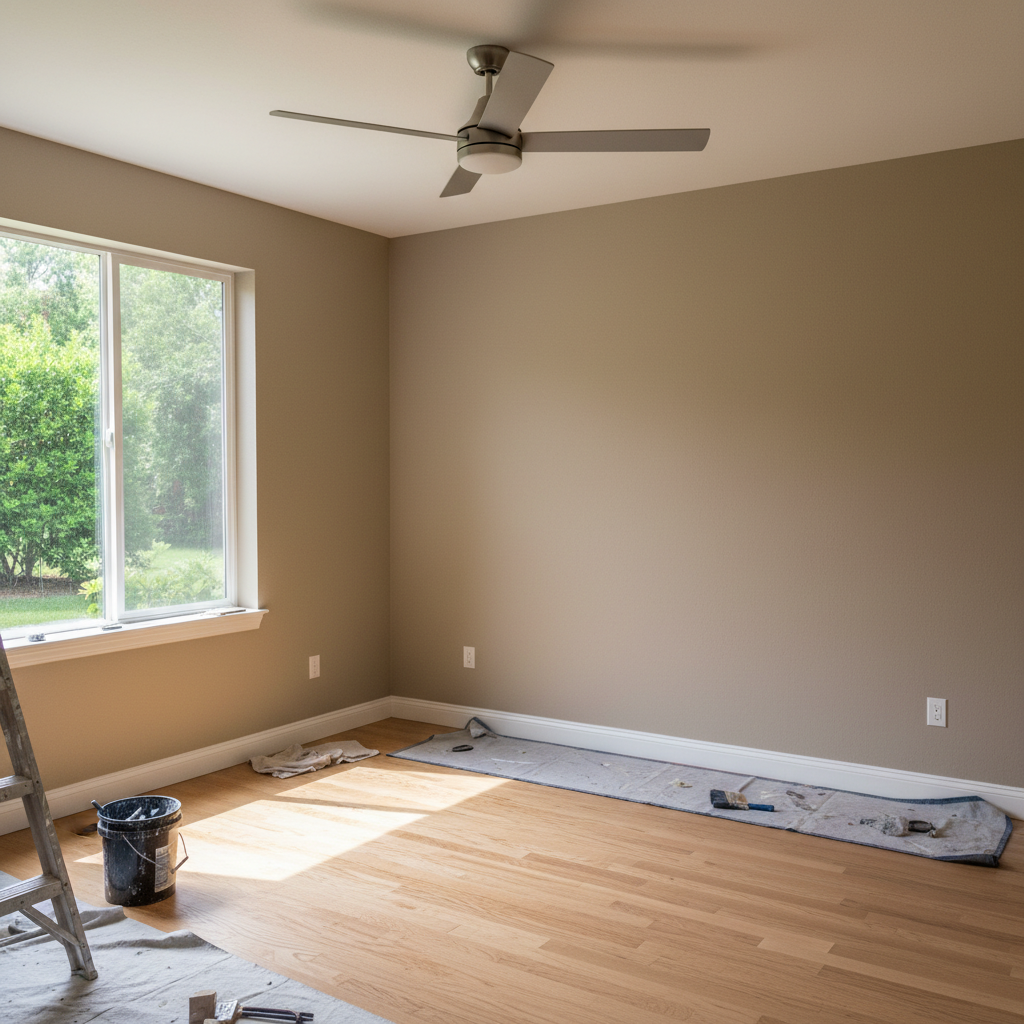
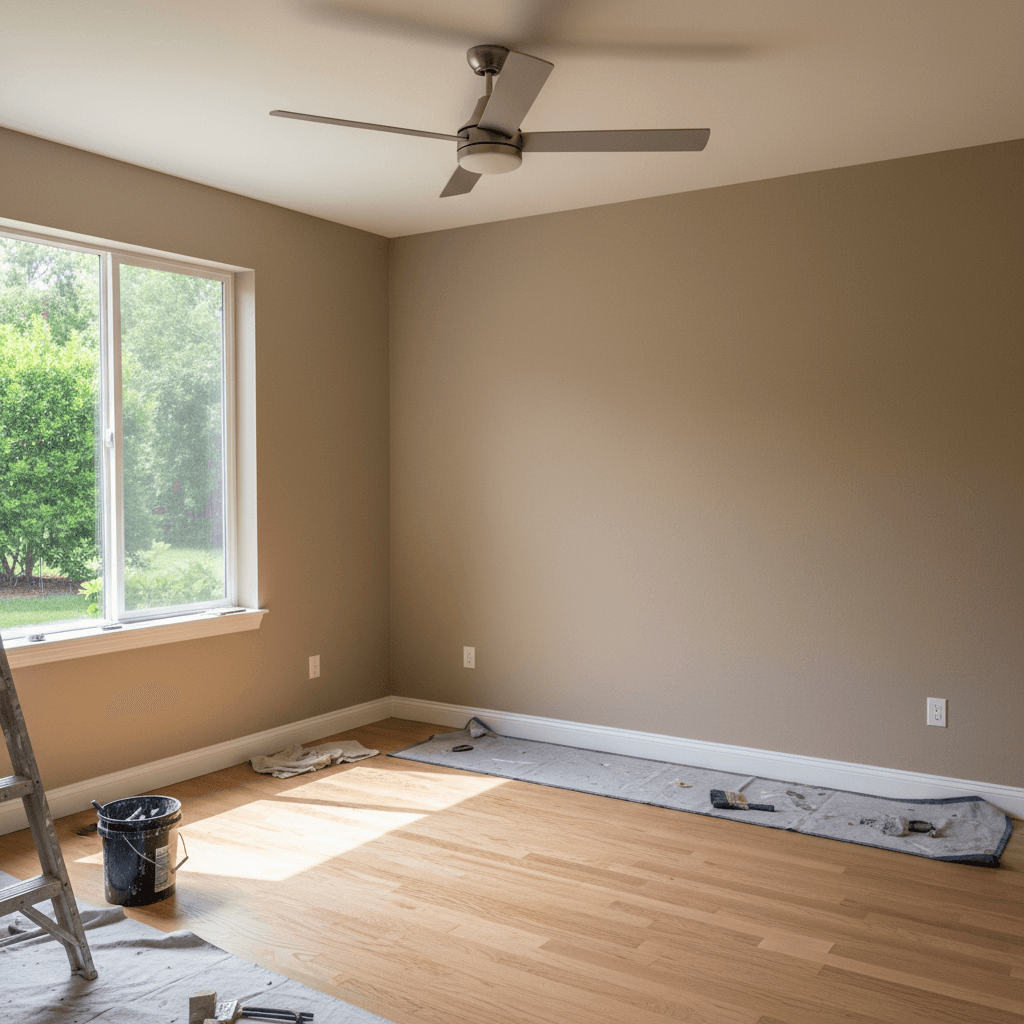
While Utah’s sun is most aggressive on your siding, UV damage also impacts your home’s interior. Rooms with large, south facing windows receive significant solar exposure that bleaches pigments over time. If you move a piece of furniture or a picture frame and see a distinct color difference on the wall, the paint has faded. This loss of pigment is one of the more subtle signs your house needs repainting to restore its original depth and character.
Moisture is another major internal threat, particularly in bathrooms and kitchens. Peeling or bubbling near showers, sinks, or stovetops indicates the current coating is no longer resisting humidity effectively. When the paint film fails to act as a moisture barrier, it allows dampness to reach the drywall or plaster, which can lead to more costly repairs if left unaddressed. Our residential and commercial painting services utilize specialized, moisture resistant finishes to prevent this type of failure in high humidity areas.
In older Fillmore residences, you may encounter "alligatoring," a pattern of fine, cracked lines that resemble reptile skin. This typically happens when the paint becomes too brittle to handle the building's natural movement or when incompatible layers were used in the past. Finally, consider aesthetic failure. When walls are covered in scuffs, marks, or stains that can no longer be cleaned without damaging the finish, the paint has reached the end of its service life. If your interior looks tired or dated, you can contact our team for an estimate to discuss a modern refresh. Our experienced Fillmore painters ensure a clean, durable application for every room.
The Real Cost of Waiting Too Long to Repaint
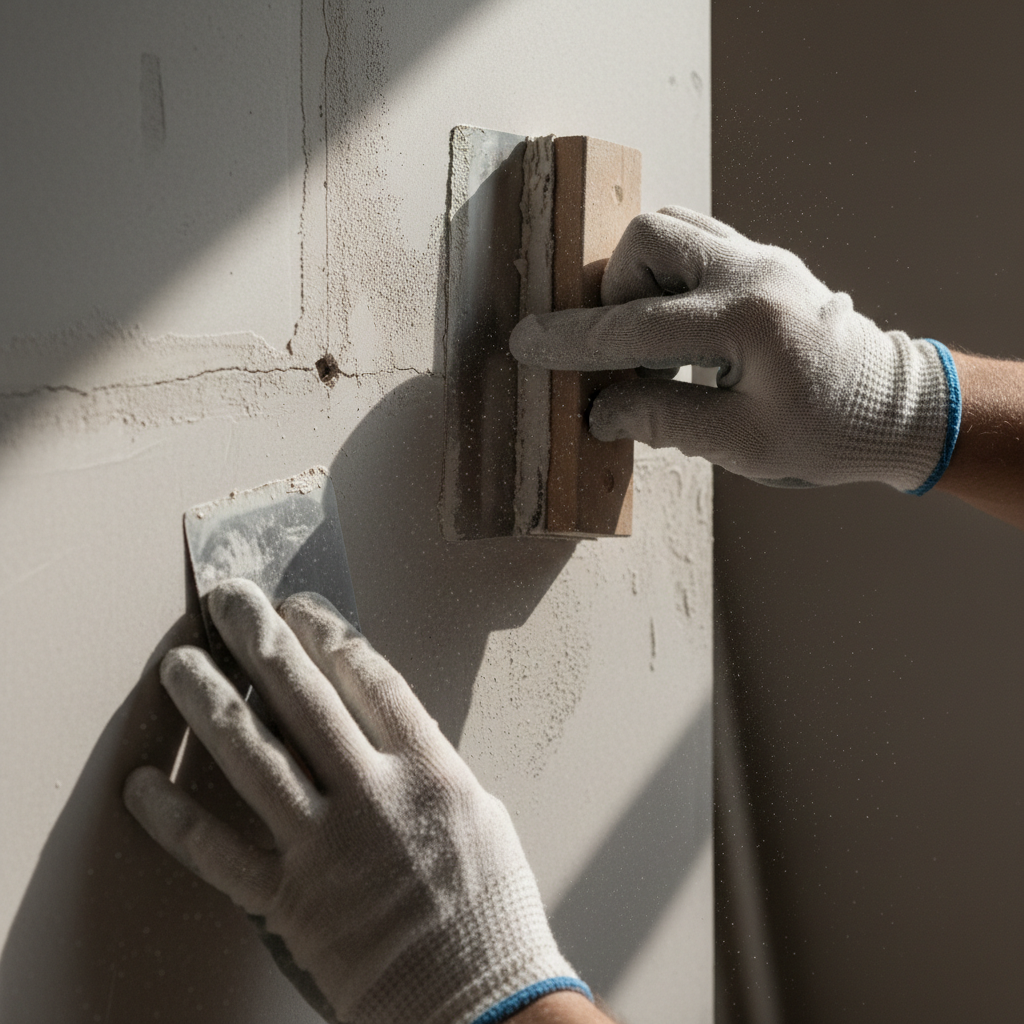
Delaying a repaint is rarely a way to save money; in fact, it often leads to a significantly higher invoice down the road. When paint fails completely, it leaves the underlying substrate, whether wood siding, trim, or fascia, directly exposed to the high-desert elements. Without that protective barrier, moisture infiltration quickly leads to wood rot, warping, and increased vulnerability to insect damage. Replacing structural lumber or damaged siding is a much more invasive and expensive process than a standard paint job.
Furthermore, the labor costs for preparation rise exponentially as the paint condition worsens. If we catch a home while the existing coat is still largely intact, the preparation might only involve a thorough cleaning and a light scuff sand. However, if the paint is allowed to flake off in sheets, experienced Fillmore painters must spend dozens of additional hours scraping, power sanding, and spot-priming to create a stable, workable surface. This intensive labor significantly inflates the cost of residential and commercial painting services.
Maintaining a proactive schedule ensures your property remains competitive in the Fillmore market, as a well-maintained exterior is vital for preserving long-term property value. By ignoring the early signs your house needs repainting, you risk turning a routine maintenance project into a major restoration. If you suspect your home has crossed the line from cosmetic wear to structural risk, you should contact our team for an estimate to evaluate the necessary scope of work.
Frequently Asked Questions About Painting Timelines
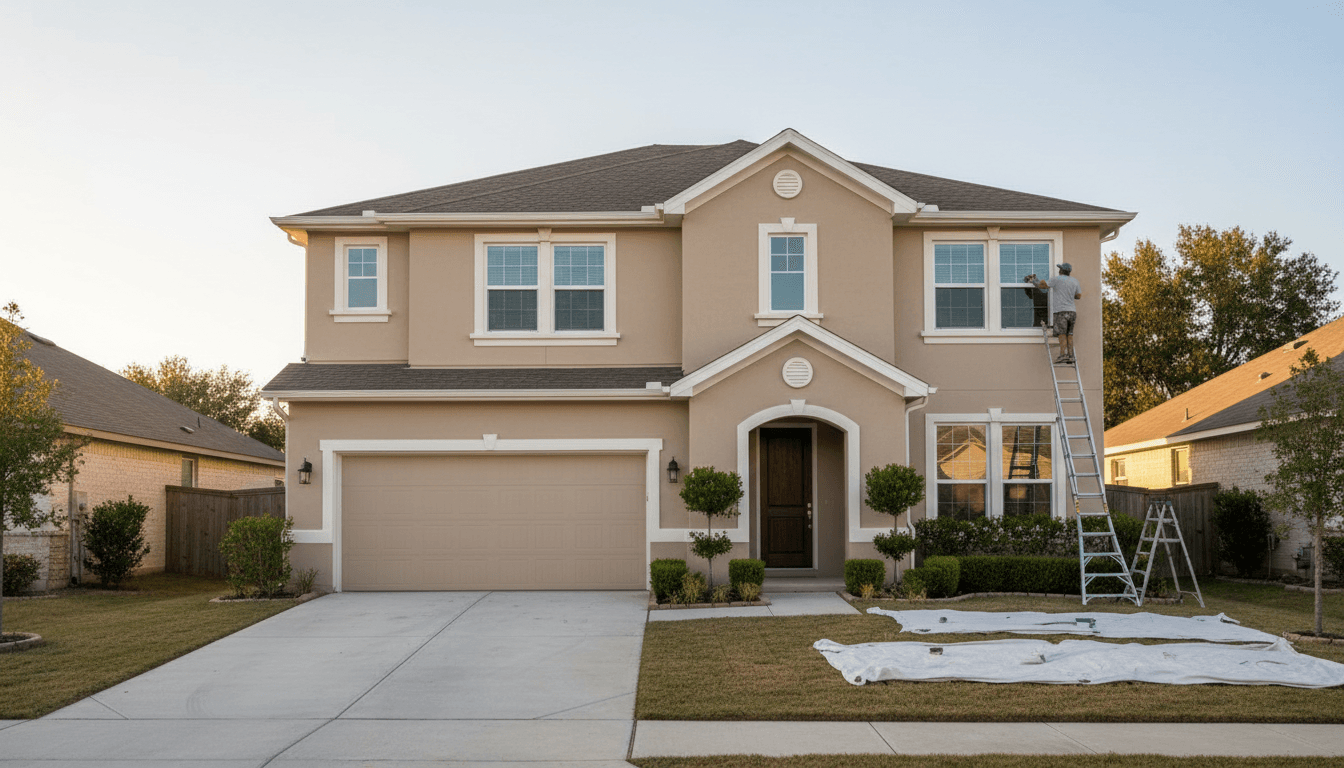
Homeowners frequently ask how often they should schedule professional maintenance. In the Fillmore area, a typical exterior needs a full repaint every 5 to 10 years. Wood siding usually sits at the lower end of that range due to its porous nature, while fiber cement or well-maintained stucco can often reach the decade mark. These timelines are not absolute; local solar intensity can shorten the lifespan of even the best materials if they are not properly maintained.
When paint begins peeling after only two years, it is rarely a fault of the paint product itself. This premature failure is almost always linked to poor surface preparation or unresolved moisture issues. If a previous contractor failed to scrape away old, loose layers or applied paint to a damp surface, the bond will inevitably break. Our experienced Fillmore painters focus heavily on mechanical sanding and ensuring the substrate is dry and stable to prevent this costly outcome.
Understanding what paint cracking looks like is also vital for identifying signs your house needs repainting. Aesthetic cracking, often called "crazing," appears as a network of fine, shallow lines on the paint surface. This indicates the coating has become brittle and lost its ability to expand with the temperature swings of the high desert. In contrast, deep, jagged cracks that go through the paint and into the wood or masonry suggest structural movement or significant water damage. If you notice these deep fissures, you should contact our team for an estimate to determine if you need a refresh or more extensive repairs. Our residential and commercial painting services are designed to address these specific regional challenges using premium, durable materials.