Exterior paint in Utah typically lasts between five and ten years, although the state's intense high-altitude UV exposure and low humidity can cause finishes to weather more quickly. Homeowners can maximize durability through meticulous preparation, such as pressure washing, scraping loose flakes, and sealing cracks before application.
Utah homeowners often watch their exterior finishes fade and flake long before they expect; the culprit is a relentless climate that tests even the highest quality coatings. Between the high-altitude UV radiation that bakes surfaces in mid-July and the harsh freeze-thaw cycles of a Wasatch winter, your home’s exterior faces a unique set of stressors. Understanding the lifespan of your paint is not just a matter of aesthetics; it is about preserving the structural integrity of your siding against the elements. In this guide, we break down exactly how many years you can expect from your finish based on your specific siding material and home orientation. We will also explore the critical role of professional preparation and product selection in extending that timeline. By the end, you will have a clear roadmap for maintaining a resilient, beautiful home in our demanding mountain environment.
The Quick Answer: How Long Does Exterior Paint Last in Utah?
If you are looking for a straightforward timeline, the reality for property owners in Millard County differs from the rest of the country. While standard industry data suggests a national average of 7 to 10 years, the question of how long does exterior paint last in Utah yields a more conservative estimate. For most homes in the Fillmore area, you should realistically expect a professional paint job to last between 5 and 8 years.
This shorter window is the direct result of Utah’s intense environmental stressors, including high-altitude UV radiation and drastic temperature fluctuations. However, this 5 to 8 year range is not a fixed rule. Several critical factors can either extend or shorten that lifespan:
The quality and depth of the previous application and surface preparation.
The specific material of your siding, such as wood, stucco, or fiber cement.
The amount of direct sun and wind exposure the property receives.
At Gobes Painting, we specialize in residential and commercial painting services specifically formulated to withstand these local challenges. Understanding these variables is the first step in protecting your investment. You can view our portfolio to see how high-quality finishes hold up against the local elements over time.
Why the Utah Climate is Tough on Your Exterior Paint
Fillmore sits at an elevation of roughly 5,100 feet, which places your home or business significantly closer to the sun's most damaging rays than coastal properties. High-altitude UV exposure is a primary reason homeowners ask how long does exterior paint last in Utah, as intense radiation aggressively breaks down the chemical binders that hold paint pigments together. Once these binders fail, the paint begins to "chalk," leaving a powdery residue on the surface that eventually washes away, leaving the underlying material unprotected and vulnerable to the elements.
The high-desert climate adds a secondary layer of stress through chronic low humidity. Building materials, particularly wood siding and trim, are hygroscopic, meaning they constantly exchange moisture with the surrounding air. In Utah's arid environment, wood often shrinks to its minimum dimensions. When a sudden storm or seasonal change introduces moisture, the wood swells rapidly. This constant mechanical movement places immense strain on the paint film, often resulting in hairline fractures that are nearly invisible to the naked eye but catastrophic for the longevity of the finish.
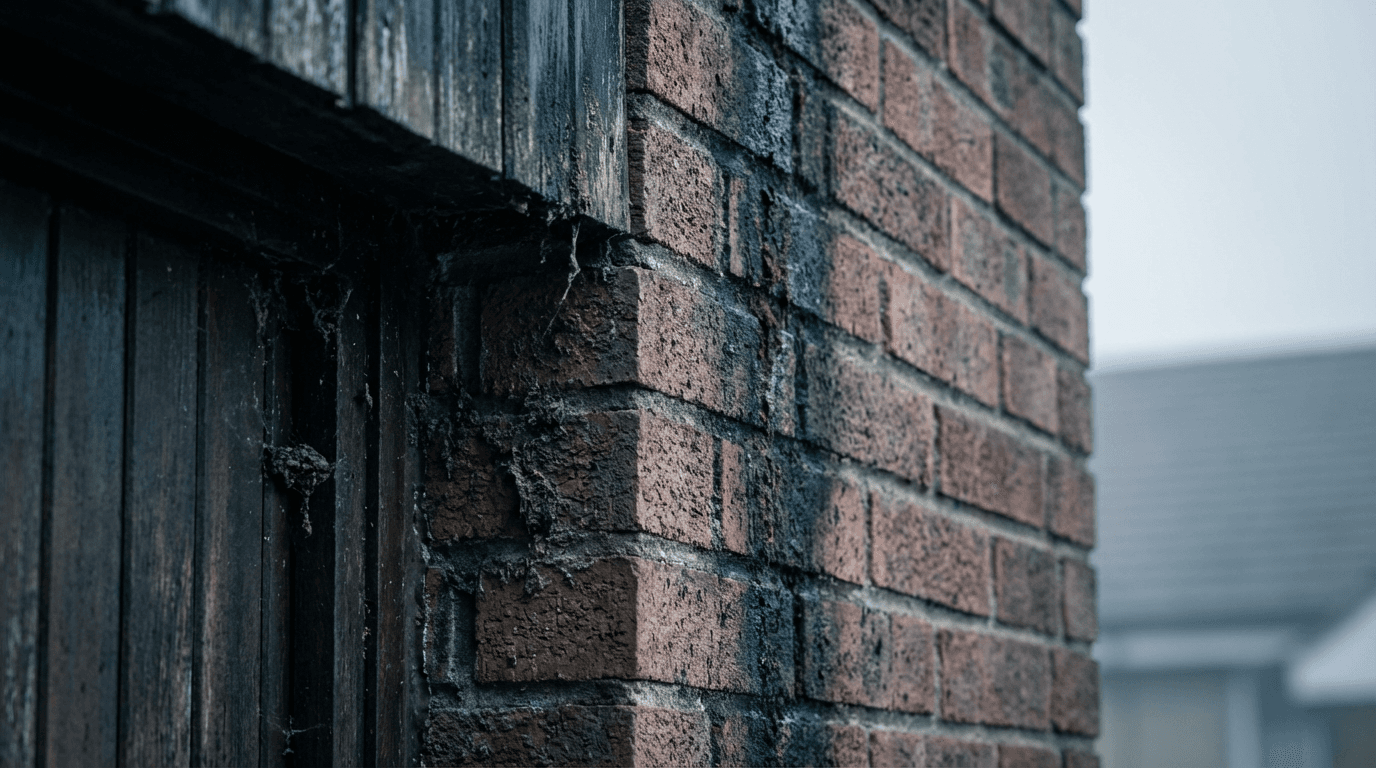
In Millard County, the most destructive force is the intense freeze-thaw cycle. During the spring and fall, temperatures often swing 40 degrees or more in a single day. Snowmelt or rain finds its way into the tiny cracks created by low humidity and UV degradation. When the temperature drops below freezing at night, that trapped water expands by approximately nine percent. This expansion acts like a microscopic pry bar, physically forcing the paint to separate from the substrate. If you notice large flakes of paint peeling away, it is usually the result of these repeated cycles compromising the bond between the paint and the siding.
Mitigating these effects requires a deep understanding of local conditions and material science. You can contact us for an evaluation to determine if your current paint film is still providing an adequate moisture barrier. Our team tailors residential and commercial painting services to address these specific regional stressors, ensuring your property remains resilient against the unique challenges of the Utah landscape.
Breaking Down Durability by Siding Material
The interaction between Utah’s environment and your home’s exterior is heavily influenced by the substrate underneath the finish. Different materials react to our local climate in unique ways, directly impacting your maintenance schedule and the overall durability of the coating.
Wood siding is the most demanding material in a high-desert environment like Fillmore. Because it is an organic, porous material, it reacts significantly to our rapid humidity changes. This constant cycle of expansion and contraction stresses the paint film, meaning wood typically requires a refresh every 3 to 7 years. Neglecting this window often leads to the paint cracking and moisture reaching the wood, which can cause rot. You can see how we handle these high-maintenance surfaces by browsing the projects in our view our portfolio.
Stucco is a staple in Millard County and is one of the most frequent substrates we address when providing residential and commercial painting services. While the paint itself can last 5 to 10 years, stucco is prone to hairline fractures caused by settling or thermal expansion. These small cracks must be sealed promptly. If water enters through a crack and freezes, it will physically push the paint away from the wall, leading to large-scale peeling.
Siding Material | Typical Lifespan in Utah | Key Durability Factor |
|---|---|---|
Wood Siding | 3 to 7 Years | High expansion/contraction |
Stucco | 5 to 10 Years | Vulnerable to hairline cracks |
Fiber Cement | 10 to 15 Years | Excellent dimensional stability |
Painted Brick | 7 to 10 Years | Requires moisture breathability |
For property owners asking how long does exterior paint last in Utah with the goal of maximum longevity, fiber cement (such as Hardie Plank) is the top performer. It is dimensionally stable, meaning it does not shrink or swell like wood, allowing a professional application to last 10 to 15 years. Finally, if you choose to paint brick, you must use a specialized, breathable masonry paint. Standard paints can trap moisture within the brick, which eventually causes the face of the brick to break away, a process known as spalling.
How Orientation and Color Affect Paint Longevity
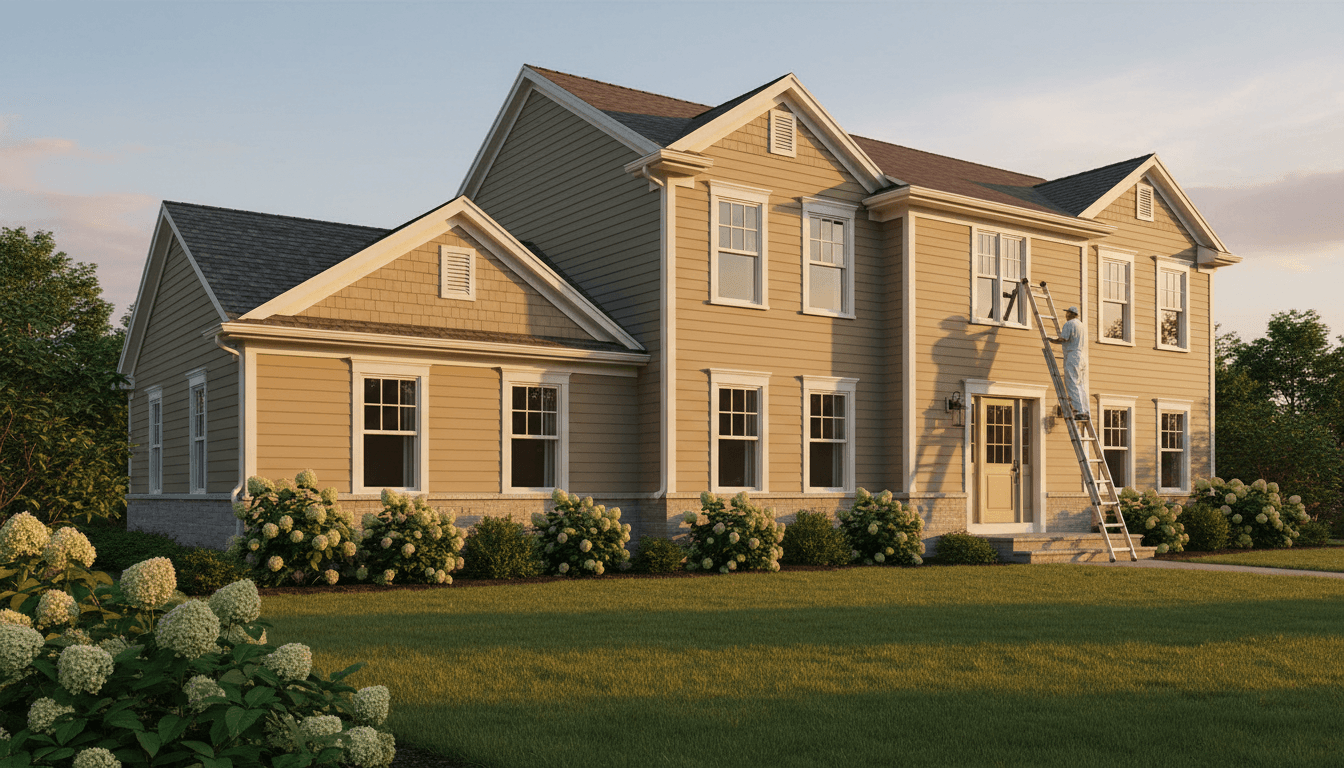
The orientation of your building is a primary driver in determining how long does exterior paint last in Utah. In Fillmore, the south and west elevations bear the brunt of the afternoon sun, receiving intense, direct radiation for hours. This causes the paint film on these sides to fail much faster than on the north or east sides. It is common to see a north-facing wall remain in good condition for up to 12 years, while the south-facing wall on the same house might show significant chalking or peeling in as little as 6 years.
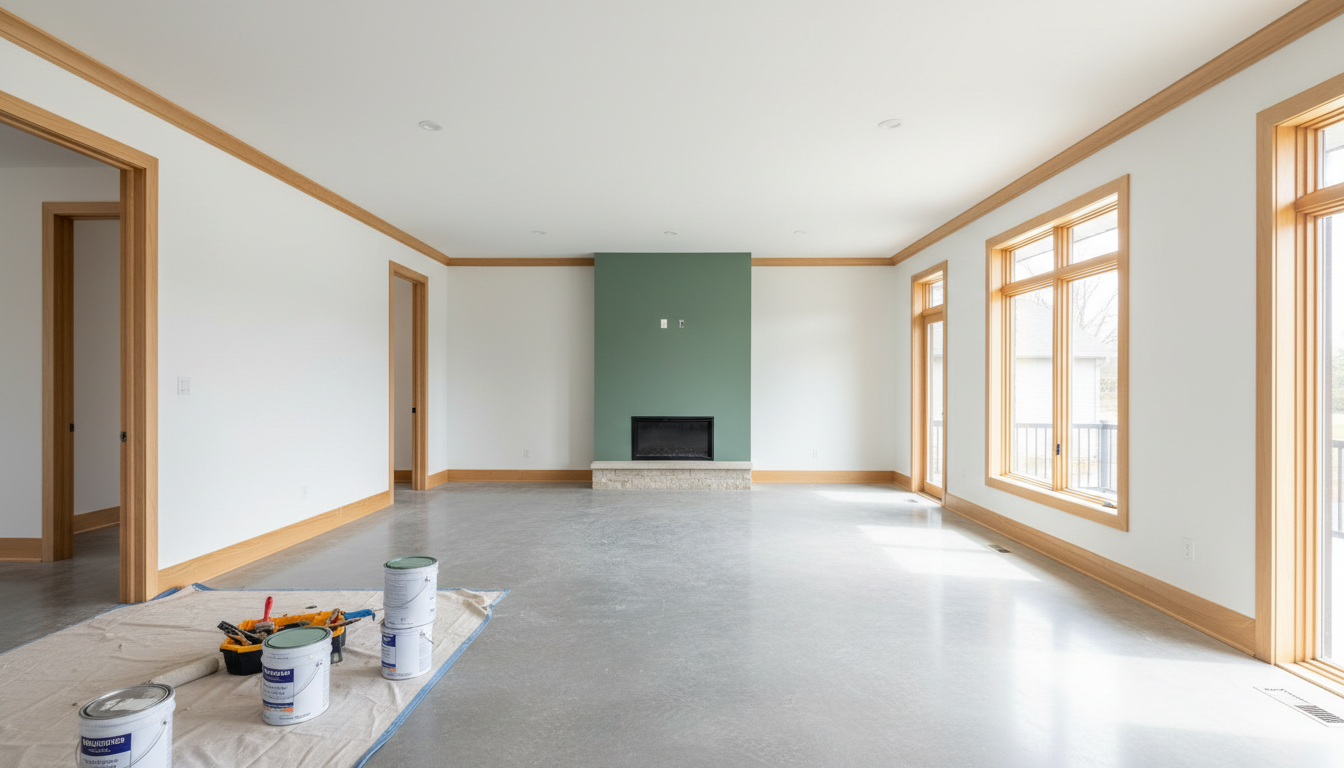
Color selection further complicates this durability gap. Darker pigments, such as deep charcoal, navy, or forest green, absorb a high percentage of thermal energy and UV rays. This heat absorption does not just accelerate fading; it causes the siding material underneath to reach higher temperatures, leading to increased expansion and, in some cases, the warping of wood or composite components. Conversely, lighter colors reflect the majority of heat and UV energy. A lighter palette generally stays vibrant longer and experiences fewer adhesion failures over time. When providing residential and commercial painting services, we often recommend specific hues that balance aesthetic goals with thermal performance. You can view our portfolio to see how different color schemes have aged across Millard County.
The Secret to Longevity: Professional Preparation
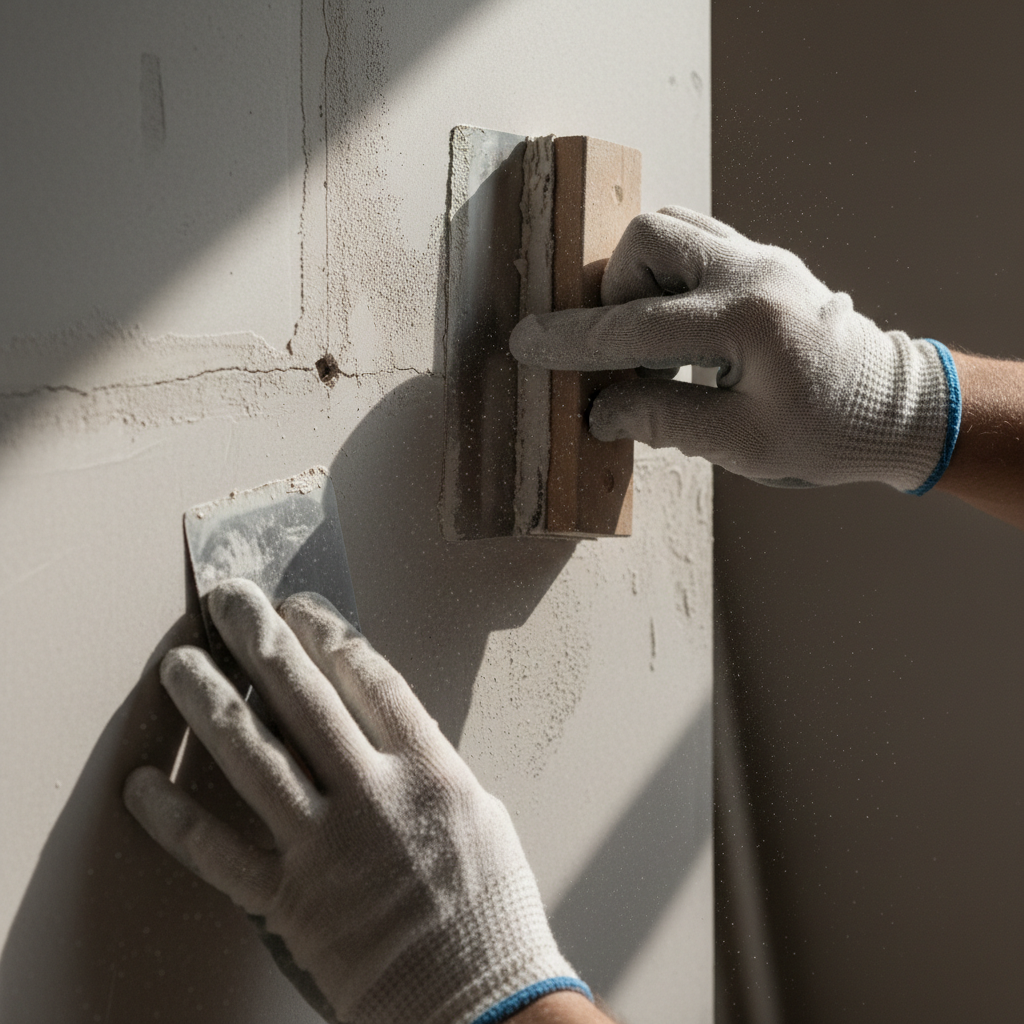
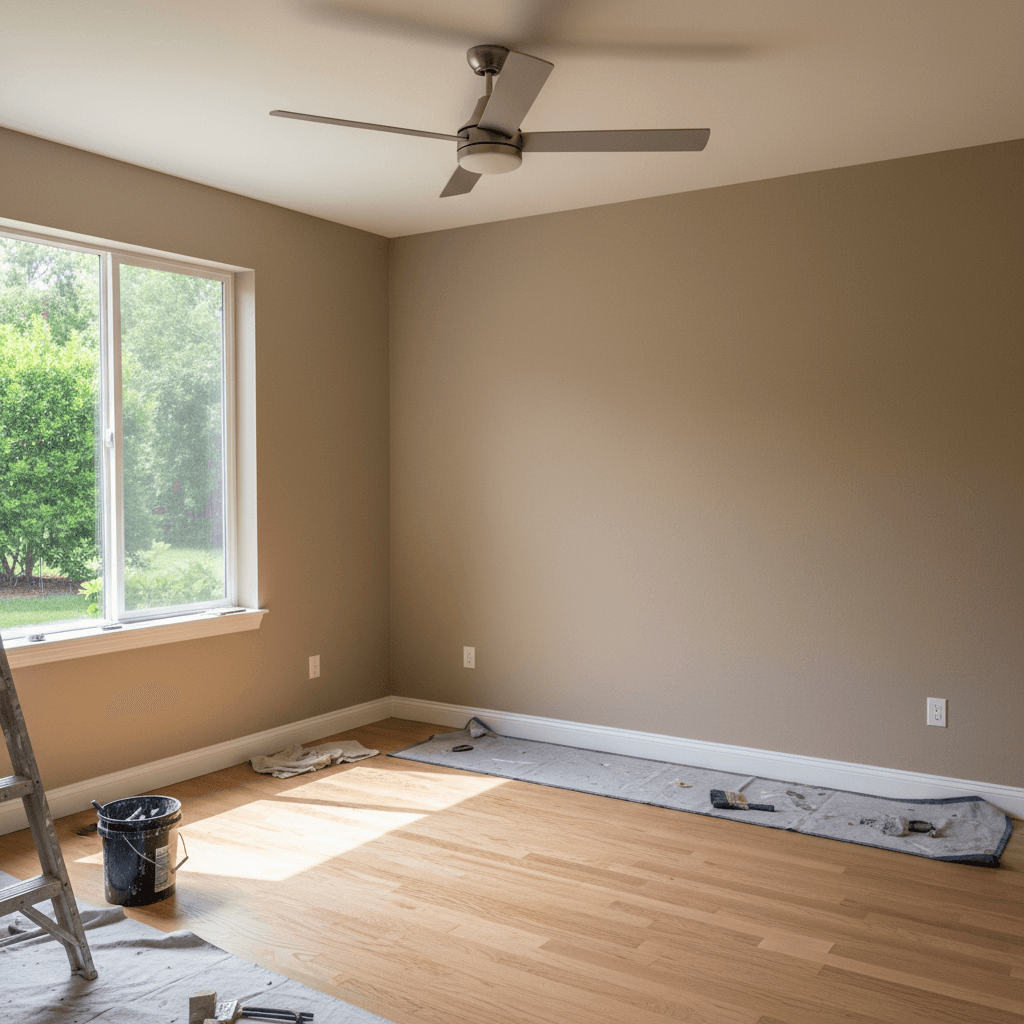
While building orientation and color are significant factors, preparation is the single variable most within a contractor's control. It is an industry standard that 80 percent of a paint job’s lifespan is determined before the first gallon of paint is even opened. If a crew applies the most expensive product on the market over a dusty, oily, or failing surface, the finish will likely peel or bubble within two seasons.
Our process for residential and commercial painting services begins with a comprehensive pressure wash. This step is mandatory in Millard County because it removes the heavy layer of chalking caused by high-altitude UV rays, alongside atmospheric pollutants that prevent new paint from bonding. Following the wash, we perform meticulous scraping and sanding of all loose edges. Simply painting over a failing edge creates a point of weakness; we sand these transition areas to ensure the new coating achieves a mechanical bond with the sound substrate underneath.
In Fillmore, the most critical protective measure is high-quality caulking of seams, cracks, and window perimeters. We use premium, flexible sealants designed to move with the building during our intense freeze-thaw cycles. Without this airtight seal, moisture eventually migrates behind the paint film, freezes, and physically forces the paint to delaminate.
Finally, we emphasize the use of specialized primers on all bare spots. In Utah’s notoriously dry air, porous materials like aged wood or new stucco can pull the moisture out of standard paint too rapidly, leading to a weak, brittle finish that lacks proper adhesion. Primer acts as a necessary bridge, sealing the surface so the topcoat can cure at the correct rate. Skipping this step is a primary reason homeowners find themselves disappointed by how long does exterior paint last in Utah. To ensure your home receives this level of detail, you can contact us for an evaluation of your siding’s condition or view our portfolio to see how our preparation-heavy approach translates into durable, high-quality results.
Choosing the Right Products for Utah Homes
After the surfaces are prepped, the specific product choice determines the final success of the finish. For the Millard County climate, we recommend 100 percent acrylic latex paints. Unlike cheaper vinyl or oil-based options, 100 percent acrylic formulas are engineered for high elasticity. This flexibility is vital in Utah; the paint must stretch and contract as your home reacts to intense daily temperature swings without cracking. These coatings are also breathable, meaning they allow microscopic amounts of moisture to escape from the substrate without compromising the bond or causing bubbles.
Investing in premium product lines is the most effective way to improve how long does exterior paint last in Utah. While high-grade paints carry a higher upfront cost per gallon, they contain a higher percentage of solids and superior UV inhibitors. Choosing a top-tier product can extend your repaint cycle by three years or more, significantly reducing the total cost of ownership for your property. Our residential and commercial painting services prioritize these high-performance materials to ensure lasting results. To see examples of how these products hold their color and sheen over time, you can view our portfolio of local projects.
Frequently Asked Questions About Utah Exterior Painting
Painting in Millard County requires watching the thermometer closely. Most modern exterior paints can be applied when temperatures are as low as 35 to 50 degrees Fahrenheit. However, the temperature must stay above this threshold for at least 24 hours to allow the paint film to cure properly. Applying paint in colder conditions often results in poor adhesion and a shortened lifespan.
For a standard 2,000 square foot home in Fillmore, a professional crew typically takes 3 to 5 days. This timeline accounts for the extensive preparation required to improve how long does exterior paint last in Utah, including pressure washing, drying time, scraping, and detailed caulking. Complex architectural details or significant siding repairs can extend this window.
Primer is essential for longevity, particularly on porous surfaces like aged wood or fresh stucco. It creates a uniform surface that prevents the substrate from soaking up the paint’s binders. If you are unsure about your home’s current condition, contact us for an evaluation to see if a full prime coat is necessary. Using the right primer ensures our residential and commercial painting services deliver the durable results showcased in our view our portfolio.