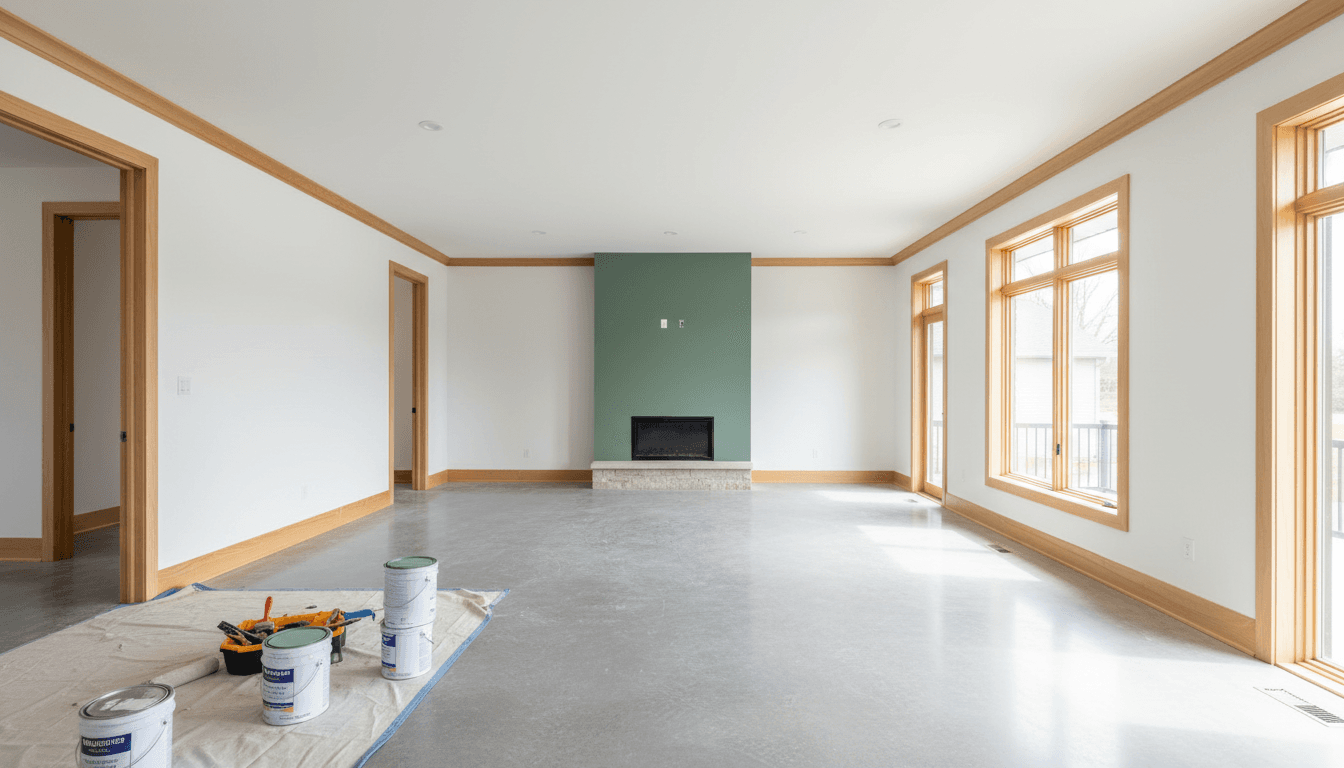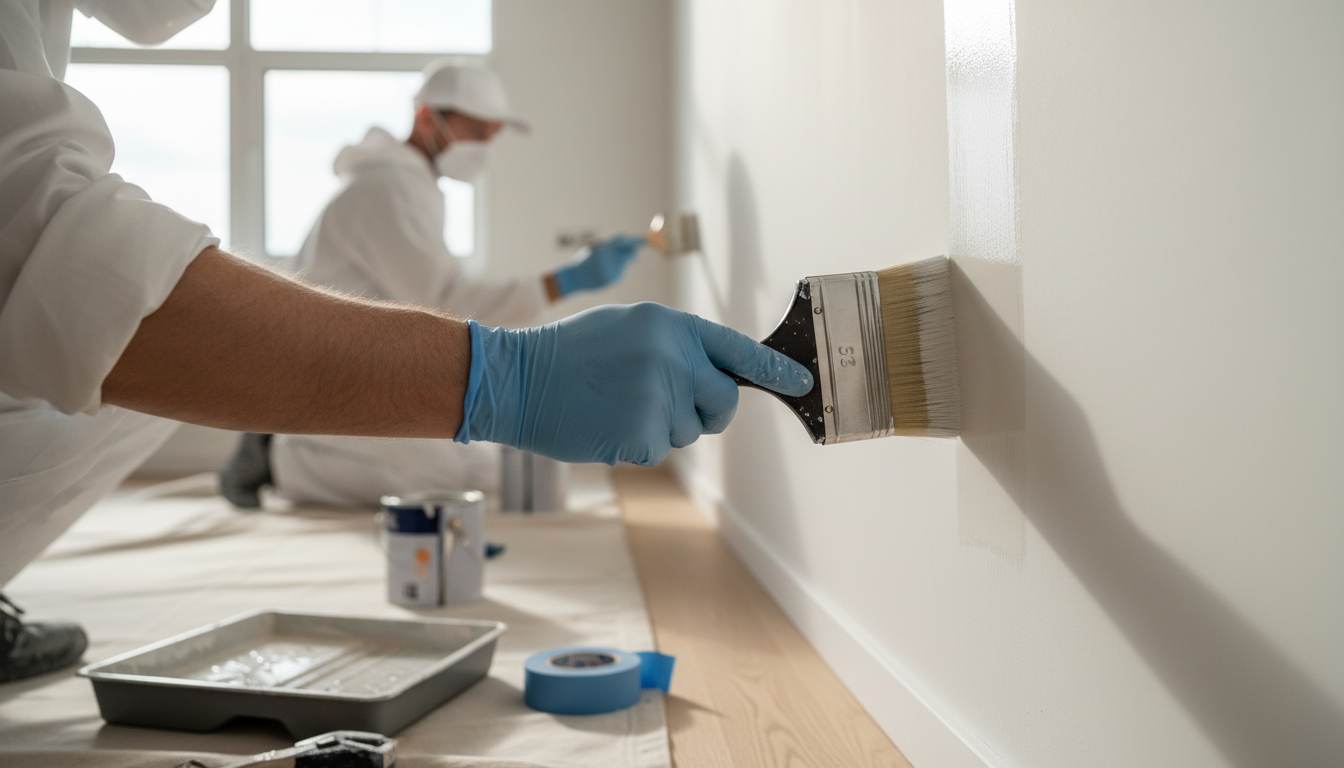
Learning how to choose a painting contractor requires verifying their license and insurance status, reviewing a portfolio of past work, and asking specific questions about their preparation process. Homeowners should watch for red flags like a lack of reviews or demands for full payment upfront; instead, prioritize professionals who provide detailed written estimates and clear project guarantees. This approach ensures you hire a reliable expert who uses high quality materials and maintains professional standards.
Transforming a property involves more than just selecting a palette; it requires trusting a team to handle your home with technical precision and care. The anxiety of a failed project, characterized by peeling finishes or messy edges, is a legitimate concern for any homeowner. A painting contractor should be a partner in protecting your investment, not a source of stress. To ensure your vision is executed flawlessly, you must look beyond the initial quote. In this guide, we provide a professional framework for vetting candidates. You will learn the twelve essential questions to ask, the credentials that guarantee protection, and the subtle red flags that indicate a lack of craftsmanship. By the end, you will have the confidence to choose a contractor who delivers lasting excellence.
The Importance of Vetting Your Painting Contractor
A fresh coat of paint is more than a simple aesthetic upgrade; it is a critical investment in the structural integrity and market value of your property. In Fillmore, our harsh Utah climate subjects exterior surfaces to intense UV radiation and extreme temperature fluctuations. A substandard paint job will fail rapidly in this environment, leading to premature peeling, fading, and eventual wood rot. Understanding how to choose a painting contractor involves recognizing the distinct difference between a casual handyman and a specialized professional.
While a handyman might offer a lower price for residential and commercial painting services, a professional contractor focuses on long term durability. Experts are trained to identify underlying structural issues, such as moisture intrusion or hidden lead paint, before the first drop is applied. By reviewing a portfolio of previous work and vetting your choice, you ensure the finish acts as a protective shield against the elements. When you request an estimate, you are paying for technical expertise and the rigorous surface preparation that a generalist often overlooks.
Essential Credentials: Why Licensed and Insured Painters Matter

Vetting credentials is the most effective way to mitigate financial risk during a home improvement project. In Utah, the Division of Occupational and Professional Licensing (DOPL) regulates contractors to ensure they meet specific safety and competency standards. Hiring an unlicensed individual might seem cost-effective initially, but it leaves you without legal recourse if the work is abandoned or performed poorly. When learning how to choose a painting contractor, verifying their active license status through the DOPL database is a non-negotiable first step.
Insurance coverage is equally vital and consists of two distinct types. General liability insurance protects your property. If a ladder falls and shatters a window or a spilled gallon of primer ruins your hardwood floors, this policy covers the repairs. Without it, you are likely stuck paying for the damages out of pocket or filing a claim against your own homeowners insurance, which can lead to increased premiums.
Workers' compensation insurance is even more critical for your protection. Painting involves significant physical risks, including working at heights and handling heavy equipment. If an uninsured painter falls from a second-story gable at your Fillmore residence, you could be held liable for their medical bills and lost wages. A professional company carrying workers' comp assumes this responsibility, shielding you from personal injury lawsuits. Always ask for a current certificate of insurance rather than taking a verbal assurance. Ensuring your team is fully licensed and insured transforms a risky gamble into a secure, professional transaction.
12 Questions to Ask Before Hiring a Painter
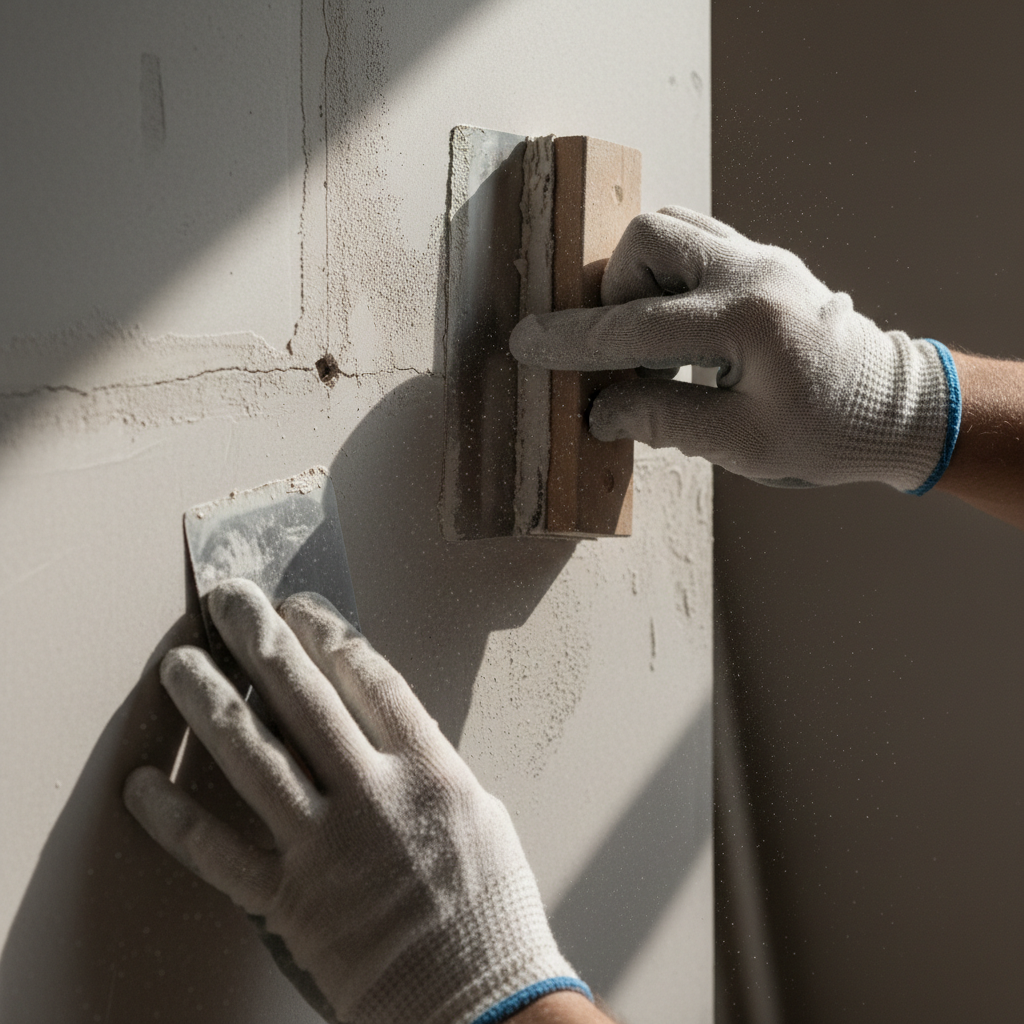
Once you have confirmed a contractor is legal and insured, the next step in learning how to choose a painting contractor is a detailed interview. You must look beyond the price tag to understand the professional’s methodology and business structure. Ask these twelve questions to ensure your project is handled with the precision it deserves.
### Experience and Operations 1. How long has your company been operating in the Millard County area? Longevity suggests a business that is established enough to honor its warranties and understands local environmental challenges. 2. Who will be on-site managing the crew daily? You need to know if you are dealing with the owner, a dedicated project manager, or a subcontracted crew. At Gobes Painting, we believe direct oversight is essential for quality control. 3. Can I see a portfolio of previous work involving similar architectural styles to my own? 4. What specific training do your employees receive regarding safety and modern application techniques?
### Process and Execution 5. What is your specific surface preparation routine for exterior siding or interior drywall? Preparation is the foundation of a lasting finish. 6. How do you apply the 70/30 rule to your projects? This industry standard dictates that 70 percent of the total labor should be dedicated to preparation, such as cleaning, sanding, scraping, and caulking; only 30 percent of the time should be spent on the actual application of paint. If a contractor flips this ratio, the finish will likely fail prematurely. 7. How do you protect non-painted surfaces like shrubbery, windows, or flooring? A professional should have a clear plan for masking and drop cloth placement. 8. What is the daily cleanup protocol? A clean job site reflects respect for your space and minimizes the risk of accidents.
### Materials and Specifications 9. What specific brand and grade of paint will you use? When you request an estimate, ensure it specifies premium product lines rather than generic, low-budget contractor grades. 10. Will you be applying one coat or two? In the high-UV environment of Fillmore, a single coat rarely provides the thickness necessary to protect the substrate. 11. Which primers are you selecting for specific surfaces? Different materials, such as stucco, wood, or metal, require specialized bonding agents for a successful residential and commercial painting services project. 12. Does your written warranty cover both the labor and the material? Comprehensive coverage ensures you are not left responsible for product defects or application errors.
Understanding the Estimate: What Should Be Included
Once your questions are answered, the process moves from verbal conversation to a formal written proposal. A professional estimate serves as a comprehensive roadmap for your project; it should never be a vague figure scribbled on a notepad. When determining how to choose a painting contractor, the level of detail in their quote is a primary indicator of their professionalism.
A valid estimate for residential and commercial painting services must specify the exact brand and product line of the paint rather than just stating a color. It should explicitly list the number of coats for each surface and provide a granular breakdown of preparation tasks. This includes sanding, scraping, and the specific types of caulk or primer to be used. The document should also detail how the crew will protect non-painted areas like your landscaping, flooring, and hardware.
Review the payment schedule to ensure it is based on progress milestones. Once you request an estimate and the project begins, match the physical paint cans delivered to the site against the written specifications in your contract. Lower-grade substitutions are a common way for unscrupulous contractors to increase their margins, so confirming the presence of premium materials is essential for ensuring your property receives the protection it needs against the Utah climate.
Red Flags: When to Walk Away from a Painting Bid
Identifying these warning signs early helps you understand how to choose a painting contractor who values integrity as much as craftsmanship. One of the most significant red flags is a request for a down payment exceeding 50 percent of the total project cost. While a deposit to cover initial material costs is standard, asking for a majority of the funds before a brush touches a wall is a common tactic used by contractors who lack the liquid capital to sustain their operations. A reputable professional will propose a balanced payment schedule tied to specific project milestones.
Pay close attention to the contractor’s physical business presence. A lack of a verifiable business address beyond a PO Box or a cell phone number is a major concern. If a company has no established ties to the Fillmore or Millard County community, you have limited recourse if the work fails or the contractor disappears. Similarly, a lack of local references is a significant localized red flag. A contractor providing residential and commercial painting services in our region should be able to point to specific local projects that have successfully withstood the Utah sun.
Be wary of high pressure sales tactics, such as claims that a specific price is only available if you sign a contract immediately. Quality painters in Utah are often booked weeks in advance and do not need to rely on intimidation to secure work. Finally, be skeptical of bids that are significantly lower than the competition. An extremely low price point almost always indicates corner cutting, such as skipping essential surface preparation or using sub-par materials that will fade within a year. When you request an estimate, the focus should remain on long term value rather than the lowest initial number.
Evaluating Portfolios and Local References
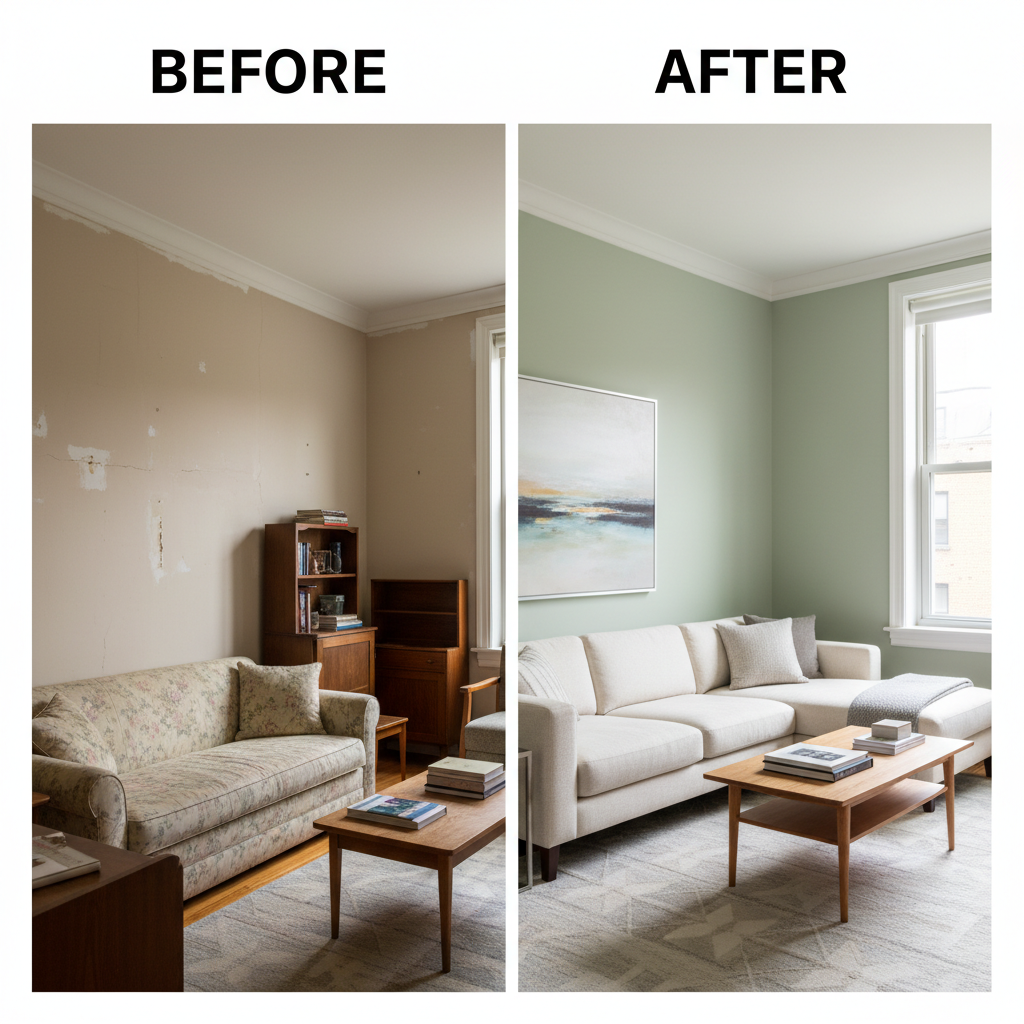
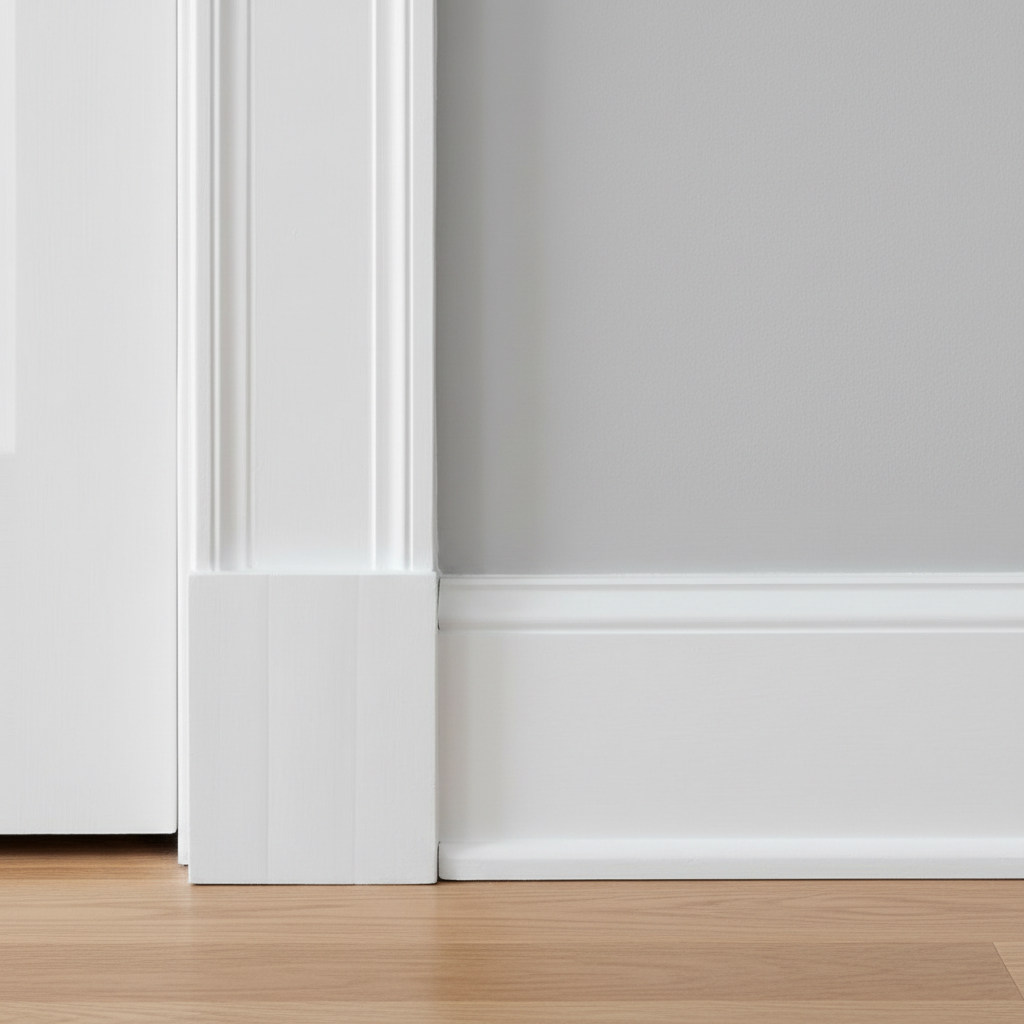
Scrutinizing a portfolio of previous work requires a discerning eye for technical precision. Instead of focusing solely on the dramatic color transformations, look closely at the transitions. A professional finish is defined by sharp, straight lines where the trim meets the wall and where the ceiling meets the siding. If you notice wobbly edges, paint bleeding onto hardware, or visible drips on baseboards, the contractor likely lacks the patience required for high quality residential and commercial painting services. Consistent texture across large surfaces is also vital; there should be no lap marks or visible brush strokes where the edges were cut in.
Beyond the photos, the most reliable way to understand how to choose a painting contractor is to speak with a client whose project was completed at least two years ago. In Fillmore, a brand new paint job can look deceptive because the harsh Utah sun has not yet had time to test the bond. Asking for an older reference allows you to verify if the caulk is still intact and if the color has resisted premature fading. If a painter can point to a local project that still looks vibrant after several winters, you can be confident in their preparation methods before you request an estimate.
Making the Final Decision for Your Fillmore Property
Selecting the right professional requires looking past the initial price tag. The cheapest bid frequently proves most expensive in the long run, as inferior products and rushed labor lead to premature fading or peeling. A local Fillmore contractor understands our specific high desert moisture levels and intense temperature swings better than a national franchise using generalized methods.
When vetting residential and commercial painting services, prioritize the specialist who builds their process around Utah’s climate. Checking a portfolio of previous work will confirm if their finishes endure local conditions. As you determine how to choose a painting contractor, value the expertise that prevents a complete repaint in three years. Once you request an estimate, choose the partner committed to the longevity and protection of your property.
Choosing the right painting contractor involves more than just looking at a price tag. By asking these twelve questions and watching for red flags, you can ensure your home receives the care it deserves. While doing this research on your own provides peace of mind, the process can feel quite overwhelming. If you want expert help from a team that values transparency and craftsmanship, we invite you to learn more about our team and standards to see if we are the right fit for your project.