The main interior vs exterior paint differences lie in their resin formulations; interior paint is designed for scrubbability and stain resistance, while exterior paint focuses on weatherproofing and UV protection. Exterior paints utilize flexible resins to withstand temperature shifts without cracking, whereas interior options prioritize lower VOCs and durability against indoor wear. Using the appropriate paint ensures long lasting protection and aesthetic appeal for your Fillmore home.
Selecting the perfect shade for your Fillmore home is often the easiest part of a renovation. The real challenge begins when you face a wall of identical cans and wonder if the chemistry inside actually justifies the different labels. Many homeowners are tempted to use leftover exterior paint for a quick indoor touch up or assume interior formulas can withstand the Utah sun, yet these shortcuts often lead to costly failures. Understanding the structural differences between these products is vital for protecting your property and your health. In this guide, we will analyze the distinct roles of resins and pigments, the safety risks of indoor off-gassing, and why durability priorities shift between your living room and your siding. By the end, you will understand exactly why specific formulations are non negotiable for a professional finish.
The Core Chemistry: Understanding Resin and Pigment Variations
To understand why you cannot simply swap one paint for another, you must look at the chemistry inside the can. Every professional grade paint is comprised of four main components: pigment, resin, solvent, and additives. The solvent acts as the carrier that keeps the paint liquid until application, while additives provide specific performance traits like mildew resistance or improved flow. However, the most critical distinction lies in the resin and the pigment. The resin acts as the binder that holds the pigment to the surface and creates the final film. When we provide residential painting services or commercial painting in Fillmore, we select products based on how these resins will behave once they cure.
In a high-desert climate like ours, exterior surfaces endure massive temperature swings between freezing winter nights and blistering summer afternoons. To survive these shifts, exterior paint is formulated with softer, more flexible resins. This flexibility allows the paint film to expand and contract alongside the wood, masonry, or siding as the material reacts to the weather. If the resin were too rigid, the finish would quickly shatter and peel away from the substrate. Conversely, interior paint utilizes a much harder resin. Because indoor temperatures remain relatively constant, flexibility is less important than physical resilience. These harder resins are designed to resist the scuffs, scratches, and burnishing that occur in high traffic hallways or living spaces.
Specific pigment selection also highlights the interior vs exterior paint differences. Fillmore sits at a high elevation, which means local homes are exposed to intense UV radiation. Standard interior pigments would fade or chalk rapidly if left in the direct Utah sun. Exterior paints utilize specialized pigments engineered specifically to withstand this UV exposure without losing their color depth. Understanding this chemical foundation is the first step in ensuring a paint job that maintains its integrity and appearance for years rather than months.
Durability vs Cleanability: What Each Paint Type Prioritizes
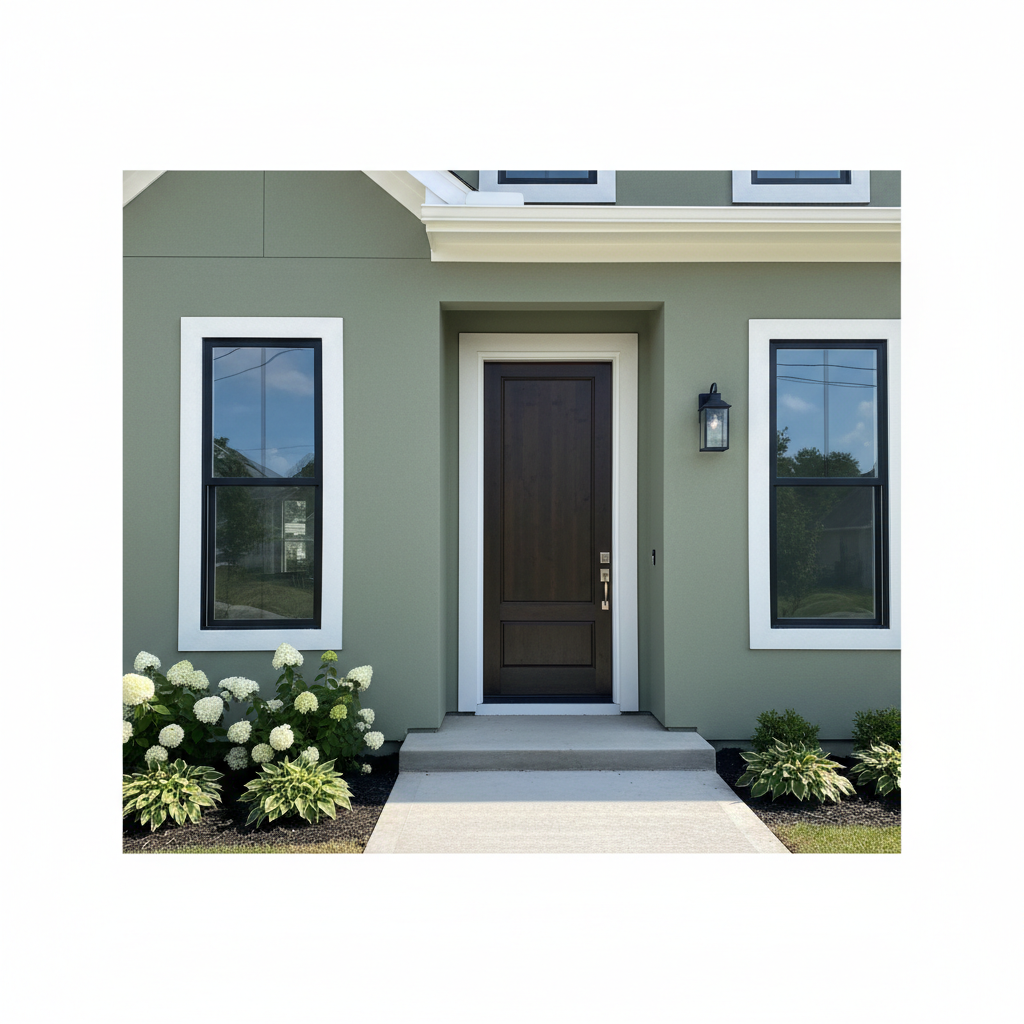
The chemical differences between these products translate directly into how they perform on your walls. Interior paint is built for cleanability and scrubbability. In a busy kitchen or a narrow hallway, walls are subjected to fingerprints, grease, and scuff marks. Because interior formulas use harder resins, they create a non-porous surface that allows you to wipe away stains without removing the paint itself. This performance is a cornerstone of our residential painting services, ensuring that a fresh coat can withstand the rigors of daily life.
Exterior paint, by contrast, prioritizes survivability over surface smoothness. Its primary job is to act as a weather-resistant barrier against Fillmore’s heavy snow, rain, and intense afternoon sun. While it is incredibly durable against the elements, it lacks the specific stain-resistant properties needed for indoor life. If you were to use exterior paint in a living room, you would find the finish remains slightly soft. This makes it a magnet for dust and pet hair; furthermore, because it is not designed for scrubbing, any attempt to clean a smudge would likely burnish or damage the finish.
Conversely, using interior paint on a home’s exterior is a recipe for immediate failure. Without the flexible binders and moisture-blocking additives, the paint will become brittle and lose its bond to the siding almost as soon as the first seasonal storm hits. This leads to widespread peeling and cracking. Acknowledging these interior vs exterior paint differences is essential for any commercial painting or home renovation project where both longevity and maintenance are the top priorities.
The VOC Factor: Why Using Exterior Paint Indoors is a Health Risk
Beyond the physical performance of the film, health and safety represent the most significant interior vs exterior paint differences. Volatile Organic Compounds, or VOCs, are the chemicals that evaporate into the air as paint cures. Exterior paints are often manufactured with higher VOC levels and specialized fungicides to prevent mildew growth in humid conditions or shaded areas. While these chemicals are necessary for protecting a building’s facade, they are formulated with the expectation that they will off-gas into the open air.
Using an exterior product inside a confined space in Fillmore creates a concentrated environment for these vapors. Without the constant airflow of the outdoors, these chemicals linger long after the paint feels dry to the touch. This can lead to persistent chemical odors and potential respiratory irritation for your family or employees. Conversely, the products we use for residential painting services and commercial painting indoors are specifically engineered for air quality. Modern interior paints are frequently formulated as low or zero VOC options, meaning they emit little to no harmful fumes. Prioritizing these indoor-specific formulas is essential for maintaining a healthy environment, particularly in bedrooms, offices, and retail spaces where people spend the majority of their time.
Can You Use Exterior Paint for Interior Projects?
Technically, you can apply exterior paint to an interior wall, but the practical results are almost always disappointing. These products are formulated for the open air, and using them inside bypasses the core interior vs exterior paint differences that ensure a quality finish. One of the most frustrating drawbacks is the texture. Because exterior resins are engineered to remain soft to accommodate outdoor temperature swings, they often stay tacky or slightly sticky when applied in a temperature controlled room. This means the surface will attract dust and pet hair, and it may even peel if furniture is placed against it.
Additionally, exterior paint lacks the hard, non-porous finish required for scrub-resistance. In a high traffic kitchen or hallway, you need a surface that can withstand frequent cleaning; exterior paint will likely smudge or burnish if you attempt to wipe it down. The off-gassing of fungicides also presents a significant nuisance, as the heavy chemical odor can linger in bedrooms and living areas for an extended period. For any residential painting services or commercial painting in Fillmore, we recommend using only interior-specific formulas to ensure your home remains comfortable, cleanable, and free of persistent odors.
What Happens if You Use Interior Paint on Your House Exterior?
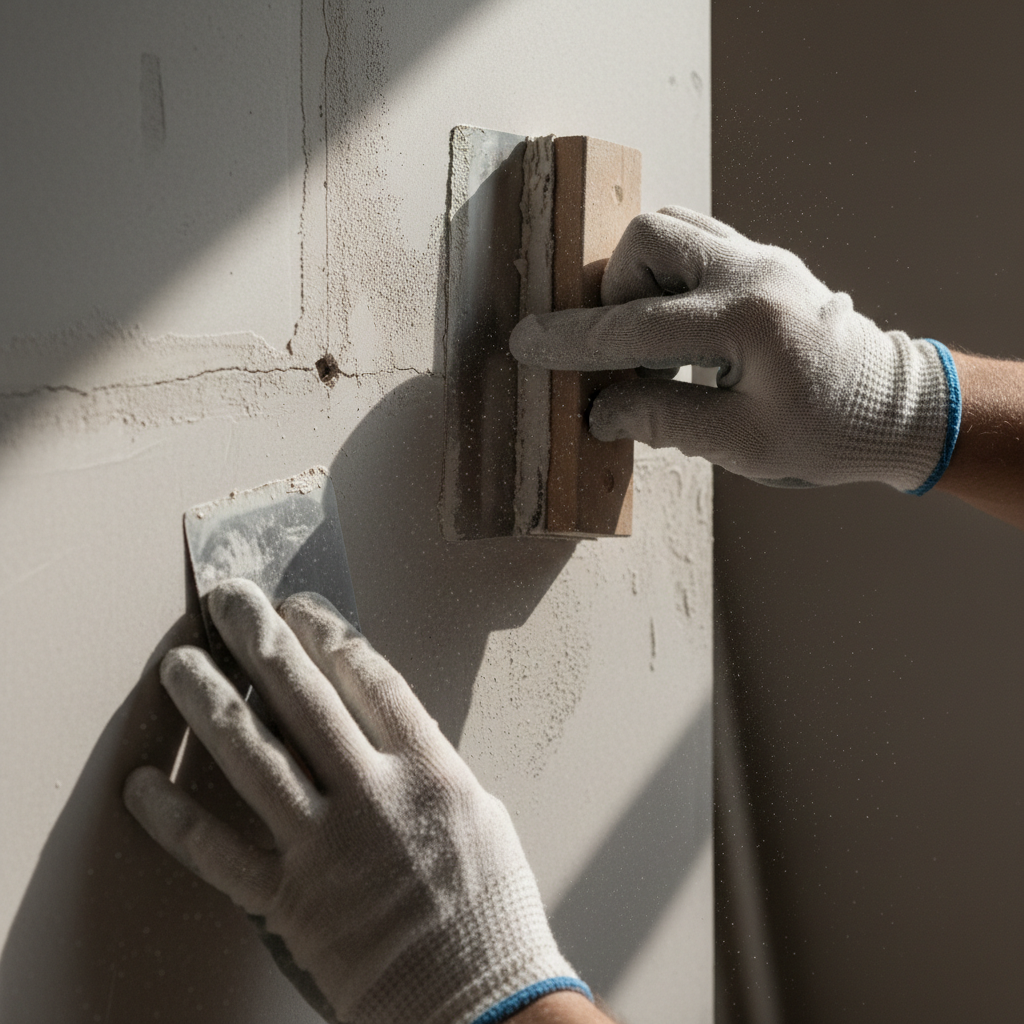
Applying interior paint to the outside of your home triggers a rapid failure cycle that is both unsightly and expensive to correct. Because interior resins are rigid, they cannot accommodate the thermal expansion of siding under the intense Fillmore sun. Within months, UV radiation begins to chemically degrade the binder, leading to a phenomenon known as chalking. This occurs when the resin disintegrates and leaves a powdery pigment residue on the surface. Without the flexibility found in exterior grade products, the paint film quickly becomes brittle, resulting in widespread cracking and peeling.
Furthermore, interior formulas lack the specialized additives required for weather resistance. In the shaded areas of a home or business, where moisture can linger after a snowstorm, interior paint is defenseless against biological growth. It does not contain the mildewcides and fungicides found in exterior products, often leading to deep seated mold issues that compromise the underlying substrate. When we are called for residential painting services to fix these errors, the scope of work increases significantly. The failed layer must be meticulously scraped and sanded before a proper primer can be applied. For both homeowners and managers of commercial painting projects, the cost of remediating a shortcut involving interior paint far outweighs the initial savings; it necessitates a complete surface restoration to address the fundamental interior vs exterior paint differences.
Mixing Interior and Exterior Paints: A Recipe for Failure
Mixing leftover cans to create a custom shade or stretch a budget might seem resourceful, but it compromises the chemistry of both products. Because the resin structures are fundamentally different, combining them creates an unstable chemical bond. The hard resins designed for indoor scuff resistance do not play well with the soft, flexible resins required for outdoor temperature fluctuations. This incompatibility prevents the paint from curing into a solid, protective film.
The resulting mixture often results in a finish that remains perpetually tacky or begins to delaminate shortly after application. You lose the cleanable surface expected in residential painting services and the weather protection necessary for commercial painting. Instead of attempting to bridge these interior vs exterior paint differences through mixing, the best practice is to use the correct product for its specific environment. If you have old cans taking up space, dispose of them properly at a Millard County waste facility rather than risking the integrity of your next project with a chemically compromised batch.
Professional Advice for Choosing Paint in Fillmore, Utah

Avoiding mistakes like mixing products is only half the battle; the other half is selecting the specific formula that matches Fillmore’s unique environmental demands. Our local climate is particularly harsh on building materials, with temperatures often swinging from below freezing in the winter to triple digits in the summer. To protect your investment, we recommend using high-end exterior lines from manufacturers like Sherwin Williams or Benjamin Moore. These premium products contain higher concentrations of flexible resins that can withstand the intense UV exposure and low humidity levels typical of Millard County without becoming brittle.
When we provide residential painting services, we also guide clients through the selection of interior sheens based on both lighting and utility. The choice between eggshell, satin, and semi-gloss is a functional decision as much as an aesthetic one. For instance, an eggshell finish is excellent for masking minor drywall imperfections in a well-lit living room, while a semi-gloss is preferred for trim and bathrooms where moisture resistance is paramount. For commercial painting projects where durability is the priority, we select finishes that balance professional appearance with the ability to withstand frequent cleaning. By understanding the chemical interior vs exterior paint differences, we ensure that every coat applied to your property is engineered for the specific challenges of the Utah landscape.